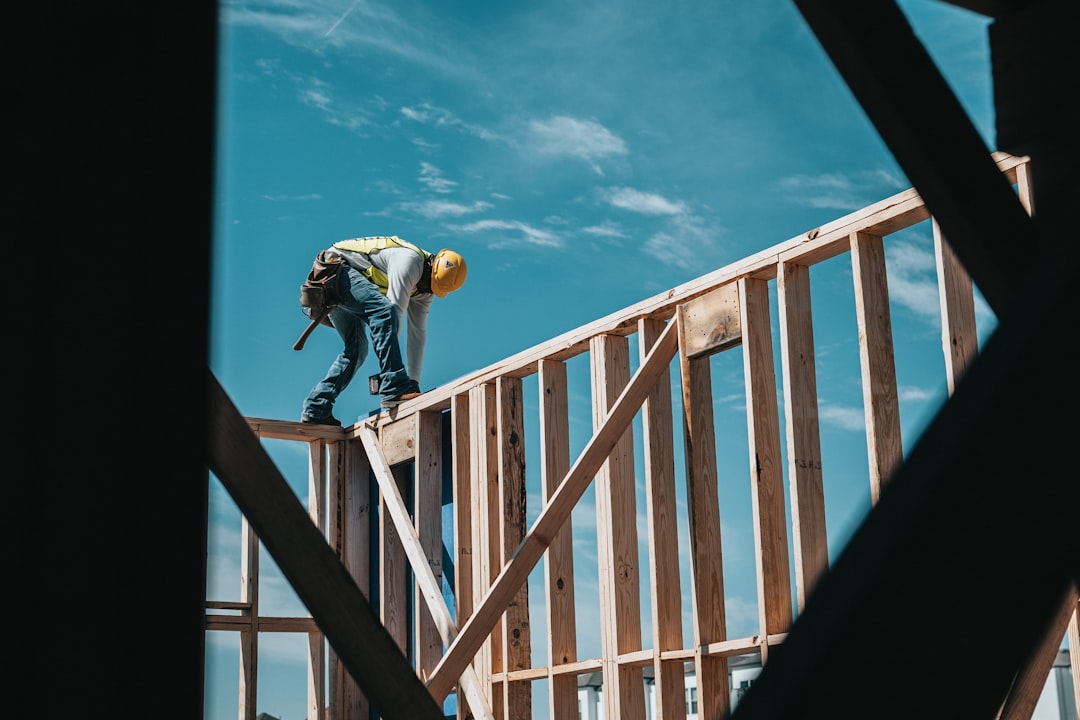
Phoenix added roughly 35,000 new housing units in 2023 — and it still wasn’t enough. The metro’s population keeps growing, inventory stays tight, and home prices in places like Gilbert and Queen Creek remain stubbornly high despite mortgage rates that would have spooked buyers just a few years ago. That gap between supply and demand isn’t a mystery. It’s the direct result of a construction industry that, across the entire United States, has been fighting an uphill battle for decades. Understanding why we can’t build faster matters — because until we fix the pipeline, prices in the Phoenix metro aren’t going anywhere but up.
The Labor Shortage Nobody Fixed After 2008
The Great Recession wiped out about 1.5 million construction jobs nationwide. A lot of those workers left the trades permanently — they moved into other industries, aged out, or relocated. When the housing market finally recovered, builders couldn’t just flip a switch and bring them back. That workforce was gone.
Arizona felt this harder than most states. The Phoenix metro was ground zero for the foreclosure crisis, and local construction basically collapsed between 2008 and 2012. An entire generation of framers, electricians, plumbers, and concrete workers either left the state or left the industry. The workers who stayed are aging. Right now, the median age of a construction worker in the US is around 43, and the pipeline of younger tradespeople coming in behind them is nowhere near large enough to cover retirements.
Trade school enrollment is part of the problem. For years, high schools across the country pushed a four-year college narrative hard, and vocational programs got defunded or cut entirely. The cultural message was clear: trades are a backup plan. That message did real damage. We now have a serious mismatch — more construction projects than skilled hands to build them.
Zoning Laws Are Doing the Heavy Lifting Against Supply
Here’s the part that frustrates me most. Even when a developer has the capital and the labor to build, local governments can stop a project cold. Zoning regulations across the Phoenix metro vary wildly by municipality, and the process of getting a project approved — especially anything higher-density than a single-family home — can take years.
Scottsdale is a classic example. The city has some of the most restrictive zoning in the metro. Infill development near Old Town or along the 101 corridor runs into height restrictions, parking minimums, and neighborhood opposition that can kill or delay projects for years. Meanwhile, the demand for housing near job centers in north Scottsdale keeps climbing.
Single-family zoning still dominates enormous portions of metro Phoenix. That means duplexes, triplexes, and small apartment buildings are illegal to build on most residential land — not because of market forces, but because of policy decisions made decades ago. Arizona’s state legislature has made some moves to loosen these restrictions, but adoption at the city level is slow and uneven. The math is simple: if you can only build single-family homes on most land, you’re capping your output before the first nail gets driven.
Permitting timelines compound the problem. In some cities, a builder can wait six to twelve months just to get permits in hand. Every month of delay costs money — carrying costs on land, financing costs, labor contracts that expire. Those costs get passed directly to the buyer.
Material Costs and Supply Chain Fragility
Lumber prices in 2021 hit nearly $1,700 per thousand board feet. That’s not ancient history — that’s the recent memory every builder in the Valley is still processing. Even though prices came down significantly from that peak, they’ve settled at levels well above pre-pandemic norms. The same goes for steel, copper wiring, roofing materials, and concrete.
The US construction supply chain has a structural vulnerability that the pandemic exposed brutally: it’s just-in-time and highly concentrated. A handful of major manufacturers control large portions of the market for things like windows, HVAC equipment, and engineered lumber. When demand spikes or a plant goes down, the ripple effects show up immediately on job sites — as project delays, cost overruns, or both.
For Arizona builders, there’s an added wrinkle. We’re a high-growth state that competes with Texas, Florida, and the Carolinas for the same materials and the same equipment. During the 2020–2022 building surge, lead times on basic items like garage doors stretched to six months. Projects that should have taken eight months were taking fourteen. Every delay is a carrying cost. Every carrying cost is a higher sale price.
What This Means for Phoenix Buyers and Investors
None of these problems have quick fixes. Labor shortages take a generation to reverse. Zoning reform moves at the speed of local politics. Supply chains are improving but remain fragile. The honest reality is that the Phoenix metro is not going to suddenly flood with new housing inventory.
That means buyers need to adjust their expectations and their strategy. Waiting for prices to fall significantly based on new supply coming online is a risky bet. The construction math doesn’t support a major inventory surge in the next two to three years. Median new-home prices in the Phoenix metro have held above $400,000, and builders aren’t building starter homes at scale because the cost structure won’t support it at lower price points.
For investors, this environment actually strengthens the case for single-family rentals in the outer suburbs — Maricopa, Buckeye, and Surprise are still seeing permit activity, and rental demand in those corridors is strong precisely because ownership remains out of reach for a large segment of the population.
If you’re in the market right now — buying, selling, or evaluating an investment — don’t wait for a supply miracle. Work with what the market is actually giving you. Get your financing in order, know your target submarkets, and move decisively when the right property comes up. The builders aren’t going to save you. A smart strategy will.