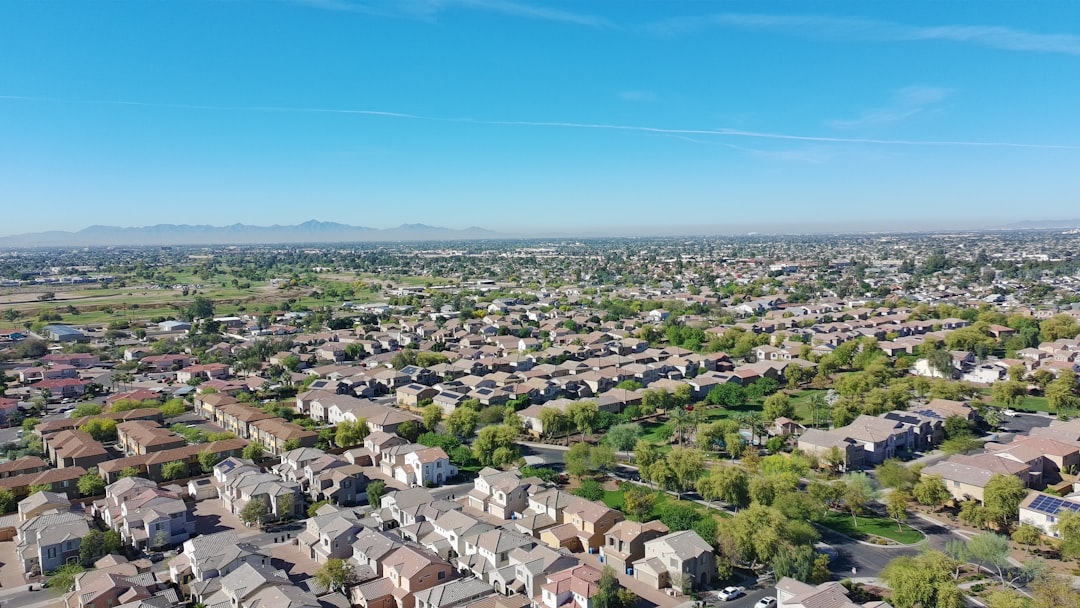
Phoenix is sitting on rising inventory. Denver is watching price cuts creep back into listings. Austin has given back a significant chunk of its pandemic-era gains. And yet Reno, Nevada — a mid-sized city most people associate with casinos and cheap flights — is quietly holding its ground while the rest of the West softens. That’s not an accident. There are structural reasons Reno is behaving differently, and understanding them matters whether you’re an investor, a relocating buyer, or someone trying to read where mid-tier Western markets go from here.
What “Holding Up” Actually Means in Numbers
Let’s be specific. As of recent market data, Reno’s median home price sits in the $530,000–$560,000 range — down modestly from its 2022 peak, but nowhere near the correction that Austin has experienced. Austin saw values drop roughly 15–18% from peak in some submarkets. Phoenix, meanwhile, has watched days on market stretch and price cuts climb back up as affordability pressure squeezes buyers who were already stretching thin. Denver’s active listings are up meaningfully year over year, giving buyers leverage they haven’t had since 2019.
Reno’s inventory is tighter. Months of supply have hovered around 2.5 to 3 months — not the frenzied sub-1-month market of 2021, but not the 4-to-5-month buyer’s market creeping into Phoenix’s outer suburbs either. That’s a meaningful distinction.
The Supply Constraint Nobody Talks About
Here’s the core story: Reno didn’t overbuild. Phoenix did. Austin absolutely did. And Denver’s multifamily pipeline hit a wall of new supply right as remote-work migration cooled.
Reno’s geography does a lot of the work. The city sits in a valley hemmed in by the Sierra Nevada to the west and desert ridgelines on most other sides. That physical constraint limits where new residential supply can go. Builders can’t just push horizontally into cheap land the way they can in the East Valley or in the suburbs south of Austin. Every new subdivision requires more infrastructure investment, more grading, more time.
The result: Reno never flooded its market with speculative new inventory. Builders stayed disciplined — partly by necessity, partly because the local approval process is slower than in Arizona’s growth corridors. Phoenix-area builders have been far more aggressive, and now some of that completed inventory is sitting.
Three Demand Drivers That Didn’t Go Away
Reno’s demand story has legs for reasons beyond just tight supply.
-
Nevada’s tax structure. No state income tax, no corporate income tax. That pull never gets old for California-based companies and their employees. When San Francisco or Sacramento gets too expensive, Reno is 3.5 hours east on I-80 — and the cost-of-living gap, even at today’s prices, is still significant.
-
Logistics and industrial expansion. The Tahoe-Reno Industrial Center east of the city remains one of the most active industrial zones in the western US. Tesla, Panasonic, Google, and Switch all have major facilities in the region. That employment base generates consistent local demand from workers who want to live near their jobs — not remote workers who might leave when the company calls them back.
-
Lifestyle migration with a floor. Outdoor recreation access — Lake Tahoe, Truckee, the Sierra — keeps pulling in a buyer profile that tends to have household income north of $120K and strong equity from prior homes. These buyers are less rate-sensitive than a first-time buyer trying to stretch into a $400K Phoenix home on a 7% mortgage.
How This Compares to Phoenix Right Now
I spend most of my time in the Phoenix metro, and I want to be straight with you: Phoenix isn’t falling off a cliff. But the dynamics here are different from Reno’s in a few important ways.
Phoenix had a massive migration tailwind during 2020–2022 that attracted not just residents but enormous amounts of builder capital. New communities popped up from Queen Creek to Buckeye to Peoria at a pace that was always going to require a cooldown period. Now, with rates still elevated and affordability continuing to squeeze buyers, the market is in a standoff. Sellers who bought in 2018–2020 still have equity. Buyers can’t quite make the numbers work. So things sit.
Reno never built that same overhang. The pipeline stayed leaner. When demand cooled, there wasn’t a wave of spec homes hitting the market at the same moment.
That said, Phoenix’s fundamentals — population growth, economic diversification, infrastructure investment — remain solid. The correction here is a rebalancing, not a collapse. Anyone telling you Phoenix real estate is in freefall is reading the headlines without the context.
What Investors Should Take From This
A quick comparison worth keeping in mind:
| Market | Supply Condition | Price Trend (Recent) | Key Risk |
|---|---|---|---|
| Reno | Constrained | Flat to slight gain | Limited upside if rates stay high |
| Phoenix | Elevated | Flat to slight decline | Oversupply in outer suburbs |
| Denver | Rising | Moderate decline | Multifamily oversupply |
| Austin | Elevated | Notable decline | Remote work reversal, overbuilding |
Reno’s constraint-driven stability is real — but it’s not a screaming buy signal either. Cap rates on rentals there are thin. At $540K median, cash flow on a single-family rental is challenging without a sizable down payment. The market is stable, not cheap.
Phoenix, by contrast, offers more negotiating room right now. Motivated sellers, builder incentives, and concessions are all more accessible here than they were two years ago. For a long-term hold with strong rental demand in established corridors — think the Tempe-Chandler-Gilbert triangle — the Phoenix market is presenting entry points that didn’t exist in 2022.
What to Do With This Information
If you’re comparing markets for a relocation or an investment, the lesson from Reno isn’t “go to Reno.” It’s “understand what creates durable housing markets.”
Constrained supply plus diverse employment plus tax-favorable policy equals resilience. Reno has all three. Phoenix has two of the three — the supply piece got loose for a couple years, and the market is correcting for it now.
Watch for Phoenix’s new construction pipeline to tighten over the next 12–18 months. Builders are already pulling back permits — builder confidence has been slipping and starts are being delayed. When that happens, the supply-demand balance in Phoenix’s more established submarkets will shift back toward sellers. The window of buyer leverage here is real, and it’s probably not permanent.
Call me if you want to talk through specific zip codes, price ranges, or investment scenarios in the Phoenix metro. That’s where I can give you ground-level detail that no market report will.