Plenty of homeowners find out the hard way that their front yard isn’t entirely theirs to do with as they please. You own the land, you pay the water bill, and you make the mortgage payment every month — yet a city inspector or HOA violation notice can show up because of the plants you chose, the rocks you laid, or how long you let the grass grow. In Arizona, where lawn care sits at the intersection of water law, HOA governance, and city code, the restrictions are more layered than most people expect.
Here’s what you actually need to know before you rip out your turf, plant a row of saguaros, or let your lawn go dormant this summer.
HOA Rules Are the First Wall You’ll Hit
If you live in a planned community anywhere in the Phoenix metro — Chandler, Gilbert, Surprise, Queen Creek — there’s a solid chance your HOA has a Covenants, Conditions & Restrictions (CC&Rs) document that gets into uncomfortable specifics about your landscaping. We’re talking paint colors for decorative rock, minimum turf coverage percentages, approved plant lists, and required irrigation maintenance standards.
Common HOA lawn restrictions in Arizona communities include:
- Minimum maintained turf requirements — some older HOAs require a percentage of your front yard to be grass, which directly conflicts with water-conservation trends
- Weed height limits — typically anything over 4–6 inches is a violation
- Approved desert plant lists — you may not be able to plant just any native species; some HOAs restrict thorny plants or certain cacti near property lines
- Artificial turf standards — yes, even the fake stuff has rules; many HOAs specify pile height, color range (nothing too green or too brown), and require professional installation
- Gravel and rock color restrictions — lighter decomposed granite is sometimes required in communities where a uniform aesthetic is enforced
I’ve seen deals complicate at closing because a buyer didn’t read the CC&Rs and assumed the desert-landscaped front yard they loved was compliant — only to find out the previous owner had been getting violation warnings for six months. That’s a negotiating problem nobody wants at the last minute. If you’re buying into a Phoenix-area community, understanding what the HOA actually enforces is critical before you sign anything.
City Codes Add Another Layer
Even without an HOA, Arizona city codes apply to every residential property. Phoenix, Scottsdale, Mesa, and Tempe all have nuisance ordinances that regulate lawn and property maintenance. The most common issues:
Weed and vegetation height. Most Phoenix-area municipalities consider weeds over 6 inches a code violation, especially in the front yard. Dried-out Bermuda grass left uncut through summer? That can trigger a notice.
Dead or dying trees. A dead tree isn’t just an eyesore — many cities require removal within a certain timeframe once a tree is determined to be a hazard or dead. Scottsdale in particular enforces this near street right-of-ways.
Water runoff and grading. If your yard drains water onto a neighbor’s property or into the street in a way that causes erosion or flooding, you can be held liable. In some neighborhoods near the Ahwatukee Foothills, I’ve seen grading disputes turn into full property disputes.
Prohibited plants. Arizona has a statewide noxious weed list. Growing certain invasive species — even accidentally — can result in an abatement order. Buffelgrass is a high-profile example the state actively fights to eradicate, especially in areas near desert preserves.
The Water Conservation Angle Is Gaining Real Teeth
Arizona’s relationship with water is the context that shapes everything about landscaping here. The Colorado River compact issues have pushed conservation from optional to increasingly mandatory in some municipalities. New Colorado River allocations could directly affect how cities regulate residential water use going forward.
Phoenix has offered turf removal rebates for years. Scottsdale’s water restrictions can limit irrigation days during drought designations. And here’s what’s catching homeowners off guard: some communities are now moving toward restricting the planting of new turf altogether in front yards.
If you’re thinking about adding lush Bermuda grass to a resale flip property in Peoria or Surprise right now, that calculation has changed. Buyers increasingly want low-maintenance desert landscaping, and sellers who over-invest in turf are seeing diminishing returns on that spend.
What You Can’t Do — A Practical Summary
Let me put the core restrictions in one place so you can use this as a gut-check list:
- Let weeds exceed the city’s height limit (typically 6 inches in most Phoenix-area cities)
- Ignore HOA-mandated plant removal notices — fines compound fast, sometimes $25–$50 per day
- Install artificial turf without checking HOA specs and pulling any required permits
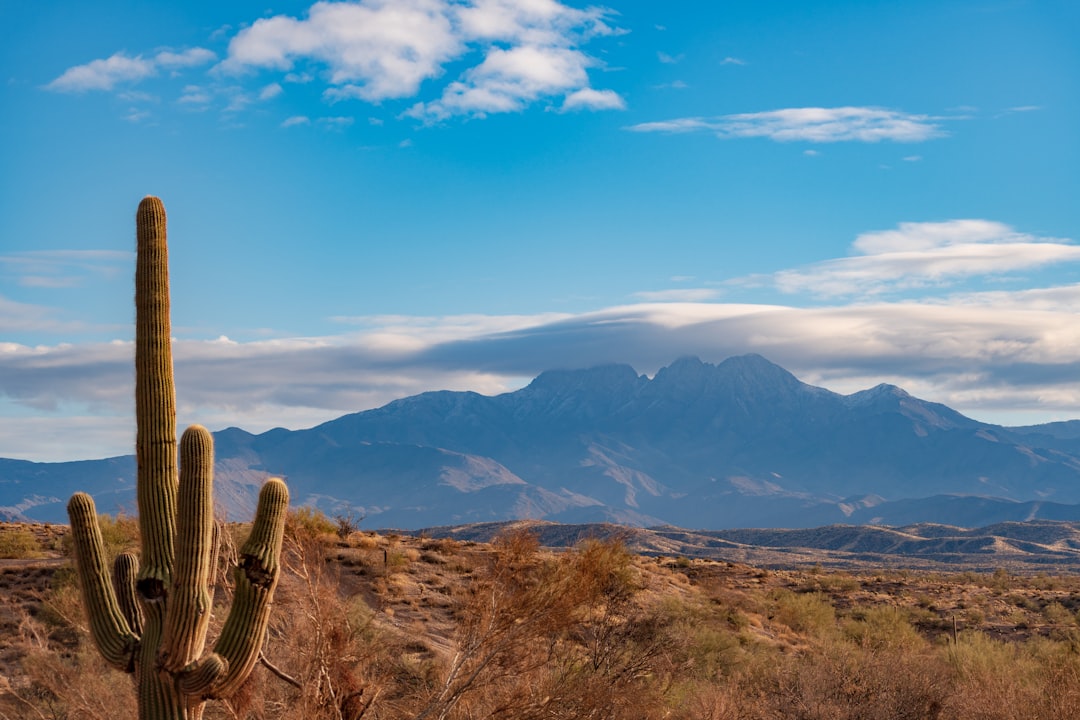
- Remove a protected native plant — in Arizona, saguaros are legally protected; moving or removing one requires a permit from the Arizona Department of Agriculture
- Change drainage patterns in a way that causes runoff onto adjacent properties
- Grow plants on the state or county noxious weed list
- Let a dead tree become a structural hazard without addressing it within city-mandated timeframes
- Violate front-yard turf minimums in HOA communities that still require maintained grass coverage
That last one surprises people the most. The idea that you could get fined for removing grass in Arizona — a desert state with serious water supply concerns — feels backward. But in certain established communities with older CC&Rs, that’s still the rule until the HOA membership votes to change it.
How This Affects Your Property Value
Here’s the practical real estate angle: landscaping violations and HOA noncompliance show up in the disclosure process. A home with open code violations or outstanding HOA fines is a negotiating liability. Buyers can use those violations to request credits or push for price reductions. Curb appeal and exterior condition remain among the amenities buyers respond to most strongly, and a yard that’s fighting an HOA or a city isn’t giving off the right signal.
Desert landscaping done right — clean decomposed granite, healthy native plantings, proper edging, good lighting — actually adds value in today’s Arizona market. It reads as low-maintenance and water-smart, two things buyers here actively look for. But “desert landscaping” without attention to local rules can turn into a liability just as fast.
What to Do Before You Touch Your Yard
Before any significant lawn project, run through this short checklist:
- Pull and read your CC&Rs, specifically the landscaping and exterior maintenance sections
- Call your city’s development services or code enforcement office and ask about local ordinances for your zoning designation
- Check whether the plants you’re removing or adding fall under any state protected species or noxious weed rules
- If you’re removing turf, check for available rebate programs — Phoenix and Scottsdale both have them, and they can offset the cost of conversion
- For any hardscape or significant grading work, verify whether a permit is required
The bottom line: lawn decisions that feel purely personal can carry legal and financial consequences in Arizona. Know the rules before you dig, plant, or pull anything out. And if you’re buying or selling, make sure the yard’s compliance status is part of your due diligence — not an afterthought.