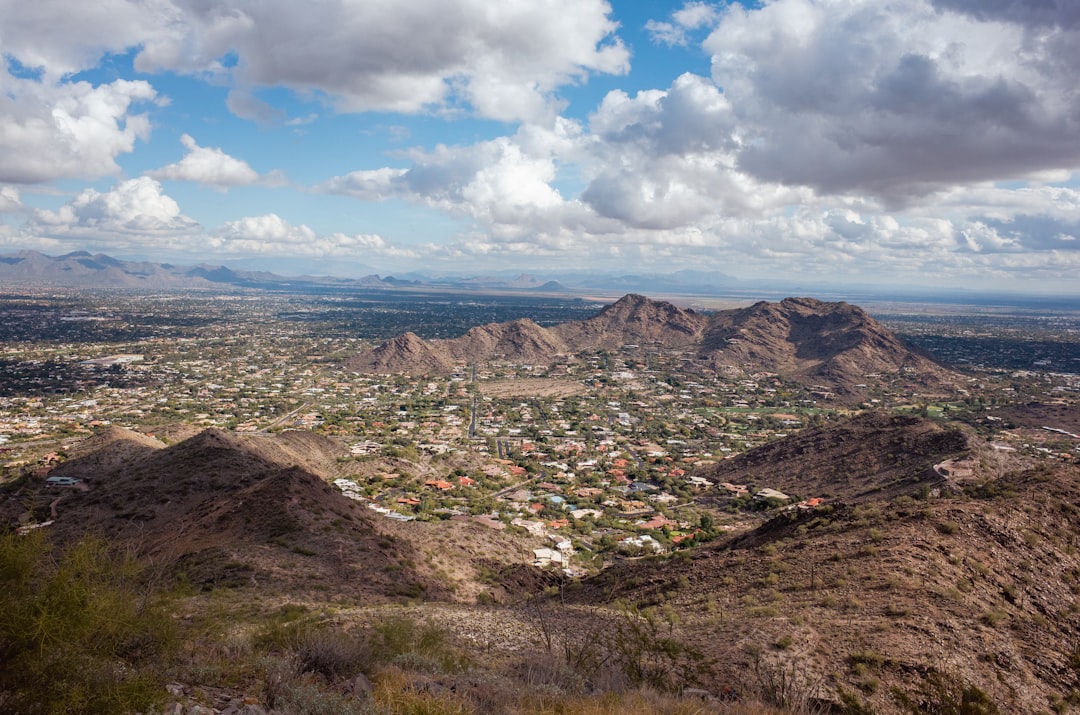
Two of the most talked-about real estate investment destinations in the Phoenix metro couldn’t be more different in character. Scottsdale conjures images of luxury resorts, championship golf courses, and seven-figure homes. Tempe is a dense, walkable college city humming with Arizona State University students and young professionals. Both offer compelling investment cases — but for very different investors.
Scottsdale: The Luxury Play
Scottsdale’s real estate market has long outperformed the broader metro in terms of prestige and price stability. North Scottsdale in particular — spanning communities like DC Ranch, Silverleaf, and Grayhawk — represents Arizona’s premium residential tier.
Investment case for Scottsdale:
- Strong short-term rental demand from golf tourists, spring training visitors, and snowbirds
- High-end vacation rentals can generate $4,000–$8,000/month during peak season (January–April)
- Appreciation has been more resilient during market corrections
- Lower tenant turnover in luxury long-term rentals
Watch out for:
- High entry prices mean lower gross yields (typically 4–6%)
- Short-term rental regulations have tightened in recent years — check current city ordinances before purchasing
- HOA restrictions in many communities limit rental activity
Tempe: The Cash-Flow Play
Tempe’s proximity to ASU (enrollment: 80,000+) creates a perpetually renewing pool of student renters. But look beyond the student market — the city has attracted a wave of tech companies, and light rail connectivity has made it a hub for young professionals priced out of Scottsdale.
Investment case for Tempe:
- Higher gross rental yields (6–8% in some pockets)
- Strong occupancy rates year-round, not seasonally dependent
- More affordable entry points — median prices $50,000–$100,000 lower than comparable Scottsdale properties
- Long-term appreciation potential tied to ASU expansion and corporate relocations
Watch out for:
- Student rentals require active management — higher turnover, more wear
- Older housing stock means more maintenance surprises
- Competition from purpose-built student housing is increasing
Head-to-Head Comparison
| Factor | Scottsdale | Tempe |
|---|---|---|
| Median Home Price | ~$680,000 | ~$430,000 |
| Gross Yield | 4–6% | 6–8% |
| Short-Term Rental Potential | High (seasonal) | Moderate |
| Appreciation Potential | Moderate–High | Moderate |
| Management Intensity | Low–Moderate | Moderate–High |
| Ideal Investor | Wealth preservation / STR | Cash-flow / buy-and-hold |
Which Should You Choose?
Choose Scottsdale if you have $600k+ to deploy, want a relatively passive investment, and are excited by the short-term rental market (and can navigate the regulatory environment).
Choose Tempe if you’re building a portfolio on a tighter budget, prioritize cash flow over appreciation, and are comfortable with more active property management — or willing to hire it out.
Many experienced Arizona investors own in both markets: Tempe for cash flow and Scottsdale for appreciation and STR upside. The combination smooths out seasonality and spreads risk across different demand drivers.
Whatever your strategy, the Arizona market rewards those who understand the local nuances. A property that’s a great deal in one zip code can be a poor investment two miles away. Do the micro-market research — it pays.