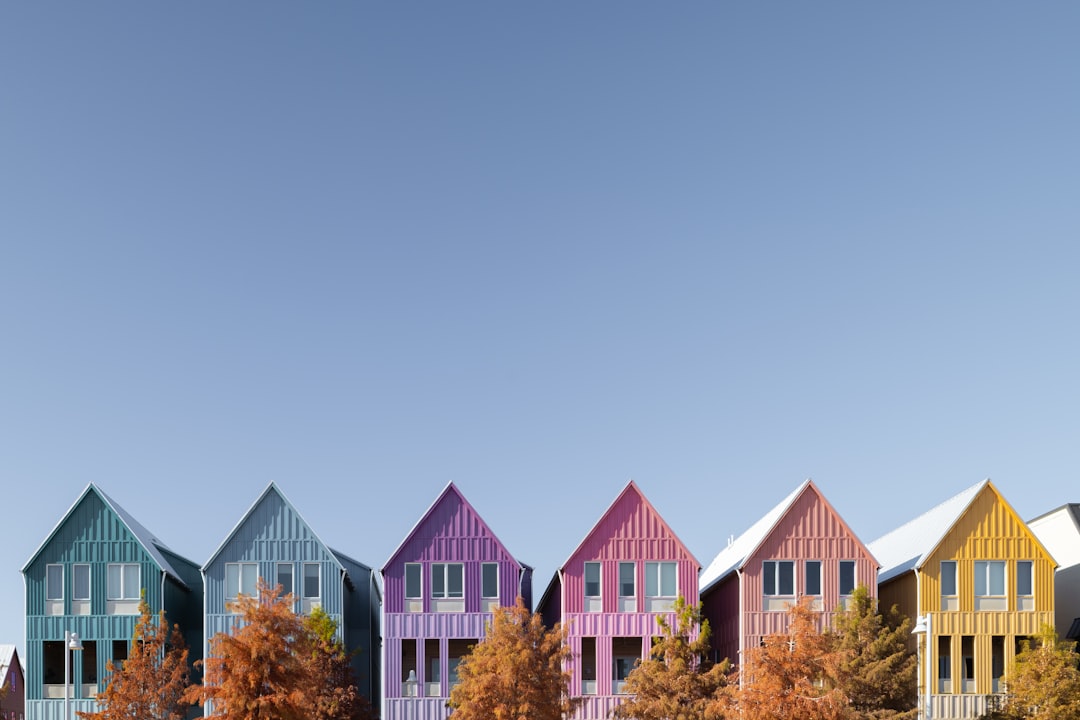
A 19% jump in housing starts doesn’t happen quietly. The June numbers landed like a signal flare — the kind of data point that changes how you read the entire market. Total housing starts surged to a seasonally adjusted annual rate of roughly 1.63 million units, according to recent Census Bureau figures, and the headline number is attention-grabbing on its own. But the real story is where that growth came from. Multifamily construction — apartment buildings, condo towers, build-to-rent communities — drove the bulk of the gain. Single-family starts ticked up too, but the multifamily category surged over 30% month-over-month.
That tells you something important about what builders believe right now.
What the Numbers Actually Say
Dig past the headline and the picture gets more nuanced. Single-family starts came in around 980,000 units annualized, a modest improvement but still constrained by stubbornly high mortgage rates and material costs. Multifamily starts, by contrast, jumped to roughly 570,000 units — a pace not seen in several months.
Here’s the contrast worth keeping in mind:
| Category | June Starts (Ann. Rate) | Month-Over-Month Change |
|---|---|---|
| Total Housing Starts | ~1.63M units | +19% |
| Single-Family | ~980,000 units | +6% |
| Multifamily (5+ units) | ~570,000 units | +30%+ |
Permits — the forward-looking indicator — also rose, which suggests this isn’t just a one-month blip. Builders are committing capital. They’re pulling permits. They’re betting that demand for rental units stays strong even while the for-sale market stays choppy.
That said, it’s worth reading this alongside the builder confidence data, which fell in July as affordability pressures persist. Builders aren’t blindly optimistic. They’re being strategic — and multifamily is where the math still pencils out.
Why Multifamily Is Leading the Charge
Rates are the obvious culprit for everything slowing down in single-family. When a 30-year mortgage is sitting north of 7%, a meaningful chunk of would-be buyers gets priced out and stays renting. That’s a direct tailwind for apartment construction.
But there’s more to it than rates. Rental demand in Sun Belt metros has stayed durable. Household formation among younger adults is still happening — people are doubling up less than they were two years ago, and many are landing in professionally managed apartment communities rather than buying. Developers read that data. They’re building where the tenants are.
Phoenix is a textbook example. We’ve seen a wave of new multifamily product hit the market across the Valley — from Tempe’s urban core to Surprise and Queen Creek on the fringes. Projects like Avilla Foothills, bringing 108 build-to-rent units to Surprise, represent exactly the kind of product that’s driving these national numbers locally. Build-to-rent communities specifically are filling a gap: people who want the feel of a single-family home, a yard, a garage, but aren’t ready or able to buy at today’s prices.
What This Means for the Phoenix Market
Locally, the June surge in multifamily starts reinforces a trend I’ve watched develop over the past two years. The Phoenix metro has added significant rental inventory. That’s actually good news for renters — more supply means more negotiating power, more concessions, and slower rent growth than we saw during the 2021–2022 spike.
For buyers and investors, the picture is more layered. A few things worth tracking:
- Increased rental supply puts a ceiling on rent growth. If you’re underwriting a Phoenix rental property assuming 5–6% annual rent increases, the new supply pipeline should give you pause. Underwrite conservatively.
- More multifamily completions could ease pressure on entry-level for-sale homes. When renters have quality options, fewer people feel forced to buy before they’re ready — which could temper demand at the lower price tiers.
- Build-to-rent is blurring the line between renting and buying. Investors and institutional players are paying attention. So should individual buyers who are considering small rental portfolios.
- The single-family new home market is still tight. Builders are cautious on spec inventory. New home sales data has revealed a shrinking affordable market, and that constraint isn’t going away fast.
The West Valley — Surprise, Goodyear, Buckeye — continues to attract multifamily development because land costs are lower and population growth is real. But even areas closer in, like Mesa and Chandler, are seeing infill apartment projects thread into older commercial corridors.
The Bigger Picture
A 19% jump in housing starts is the kind of number that gets attention in the financial press. What it actually means depends heavily on what gets built, where it gets built, and whether the pipeline reaches completion without stalling out mid-project.
Nationally, we’re still running a significant housing deficit built up over more than a decade of under-building after the 2008 crash. One good month doesn’t close that gap. Multifamily can scale faster than single-family — a 200-unit apartment building adds inventory in one shot — but it takes 18 to 24 months from permit to occupancy in most markets. The supply relief people are hoping for from today’s starts won’t hit the market until late 2026 or into 2027.
In Phoenix, that timing matters. We’ve got a window where inventory is still tight enough to support pricing, but the wave of new completions is building. If you’re a seller, the next 12 months may offer more favorable conditions than 2027. If you’re a buyer looking at multifamily investments, know that the rent growth assumptions from 2022 don’t apply the same way in a market absorbing this much new supply.
The builders know what they’re doing. The question is whether buyers and investors are reading the same signals they are.