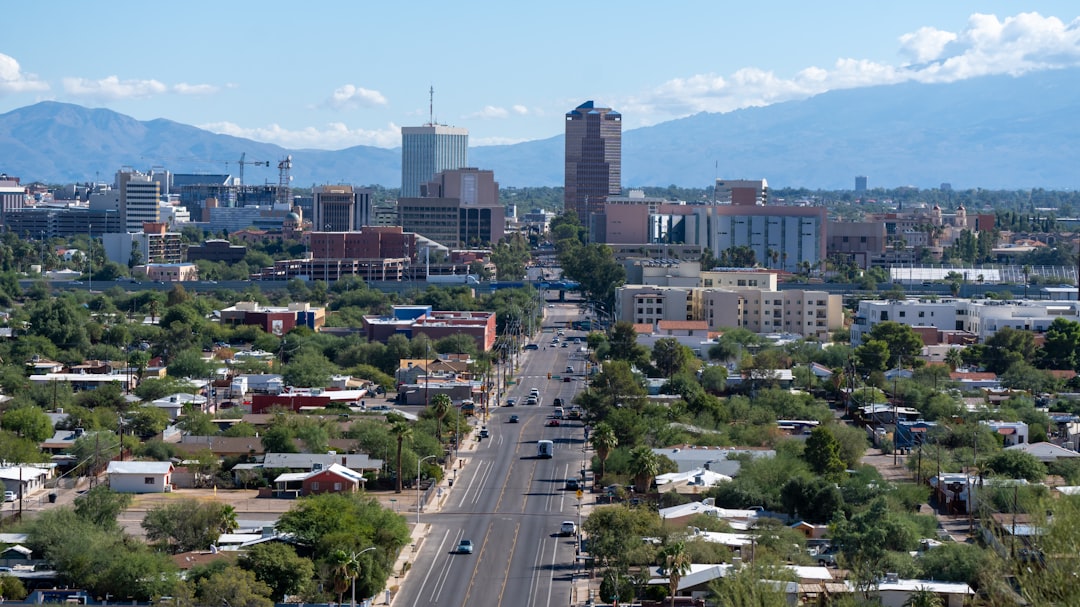
The Phoenix metro added roughly 100,000 new residents in 2023 alone. A meaningful slice of that growth came from foreign-born workers on employment-based and family visas — people who rent apartments in Tempe, share townhomes near Intel’s Chandler campus, or fill entry-level units in Mesa while they build credit and savings. When the federal government slows or pauses immigrant visa processing, that pipeline doesn’t just affect families in limbo. It lands directly on rental demand across the Valley.
The Trump administration’s executive actions targeting immigrant visas — including pauses on certain categories, tightened eligibility reviews, and expanded enforcement — have already begun to ripple through housing. Whether you’re a landlord in Glendale, a renter watching asking prices, or an investor underwriting a new build-to-rent project, this policy shift matters more to your bottom line than most people realize.
Who Actually Fills Phoenix Rentals
Foreign-born residents make up a significant portion of renter households in Maricopa County. They skew younger, often work in hospitality, healthcare, construction, and tech, and tend to rent longer before buying — which makes them a stable, consistent source of demand for multifamily landlords.
Specifically, two visa categories have the most direct connection to Phoenix rental demand:
- H-1B and employment-based visas — Workers at companies like Intel, Microchip Technology, and the growing semiconductor corridor along the US-60 tend to arrive on these visas. They often rent near Chandler, Gilbert, or Scottsdale. These are typically higher-income renters who push demand (and rents) up in mid-to-upper price-range units.
- Family-preference and humanitarian visas — This group tends to land in more affordable submarkets: west Phoenix, central Mesa, and parts of Glendale. They fill workforce housing and keep vacancy low in the $900–$1,400/month range.
A slowdown affecting either category creates a different problem for different parts of the market.
The Supply Side Makes This Messier
Here’s where it gets complicated. Phoenix has been one of the most active multifamily construction markets in the country over the last three years. As of recent market data, the metro had over 30,000 apartment units in the pipeline, with a significant portion already delivered and absorbing slowly. Vacancy rates have climbed from near-historic lows of around 4–5% in 2022 to closer to 8–9% in some submarkets in 2024 and into 2025.
That supply overhang was already pressuring landlords to offer concessions — a free month here, waived application fees there. Any further reduction in demand from fewer immigrant renters arriving will add pressure on top of an already-softening market.
The irony is sharp. The same administration pausing visas also wants to boost domestic manufacturing — including the semiconductor plants that depend on H-1B workers who rent in the East Valley. Mounting ICE raids leave homebuilding’s frontlines frozen in fear, and that effect compounds when you add visa slowdowns on top of enforcement anxiety. The labor market and the rental market are linked at the hip.
What Landlords Are Actually Seeing
I’ve talked to property managers in Chandler and Tempe who are noticing longer days on market for units that used to lease in a week or two. Some of that is the supply wave hitting the market. But some of it is a thinner pool of qualified applicants — particularly in the $1,600–$2,200/month range, which is exactly where many H-1B workers rented.
A few things to watch:
- Vacancy in the East Valley tech corridor — Chandler, Tempe, and south Scottsdale are the most exposed to any slowdown in employment-based immigration. Units near Price Road and the 101 that once leased quickly could sit longer.
- Workforce housing in west Phoenix and central Mesa — If family-preference visa processing slows, the affordable end of the rental market loses some of its most consistent demand. This is also where construction of rental homes has already been under pressure from financing constraints.
- Short-term oversupply getting worse — If you’re underwriting a new build-to-rent project anywhere in Maricopa County right now, reduced immigrant renter demand is a real variable in your absorption forecast.
The Longer-Term Demographic Shift
Arizona’s population growth story has always rested on two pillars: domestic migration from high-cost states, and international immigration. Remove or slow one pillar while the other is also cooling — domestic migration from California plateaued in 2023 and 2024 — and the growth math starts to look shaky.
That matters for rental investors with 5–10 year hold periods. Phoenix still has strong fundamentals: job diversification, a younger-than-average population, and infrastructure investment in semiconductors and data centers. But counting on aggressive rent growth when the demand drivers are being squeezed from multiple directions is a risky bet.
What Investors Should Do Right Now
- Stress-test your vacancy assumptions. If you’re projecting 5% vacancy in a Chandler or Tempe apartment deal, run the numbers at 9% and make sure it still pencils.
- Watch which submarkets absorb first. Historically, the East Valley recovers faster in tech-driven demand cycles. If visa policy eases or changes, those markets come back quickest.
- Don’t confuse a soft quarter with a broken market. Phoenix’s long-term demand fundamentals are intact. This is a policy-driven disruption, not a structural collapse.
The Bottom Line
Visa policy and rental demand don’t usually show up in the same conversation. They should. In a market as immigration-influenced as Phoenix, federal decisions about who gets to come here — and when — translate directly into occupied versus vacant units on the ground.
If you own rental properties in the Valley, this is a factor worth monitoring alongside interest rates and supply pipelines. If you’re buying now, price the demand uncertainty into your offer. And if you’re a renter, softer vacancy in some submarkets means you have more negotiating power than you did two years ago — use it.
Phoenix is still one of the best long-term rental markets in the country. But “long-term” is doing a lot of work in that sentence right now.